No more Science

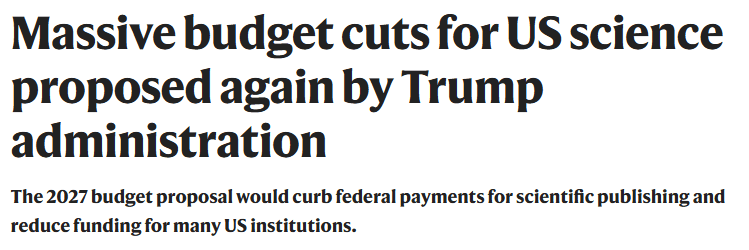
Because of the politics behind the funding behind the science:
And the details thereof:

The administration proposed a massive 55% reduction for NSF’s FY 2027 budget, cutting funding from $8.75 billion (FY 2026) to $3.96 billion. This includes sharp reductions to graduate fellowships and the elimination of the Social, Behavioral, and Economic (SBE) Sciences directorate.

…it’s perhaps unsurprising that alarm bells are beginning to ring in the USA. And even the anti-science demon in charge of tearing the US apart has noticed – but he can’t quite put his finger on why it’s happening:
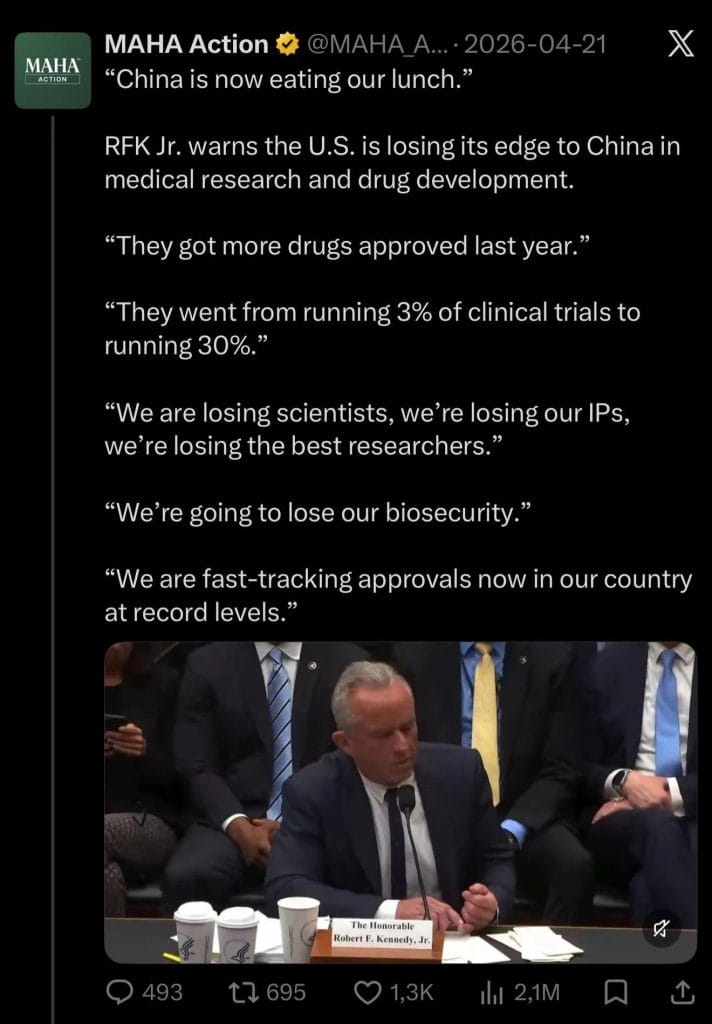
So close.
I love the confused look on his face here. Like a baboon that is contemplating why it can’t get into a locked car at Cape Point.

There’s a great op-ed by Sally Kornbluth – President of MIT – which is well worth a read, but let me just share the final couple of paragraphs here:
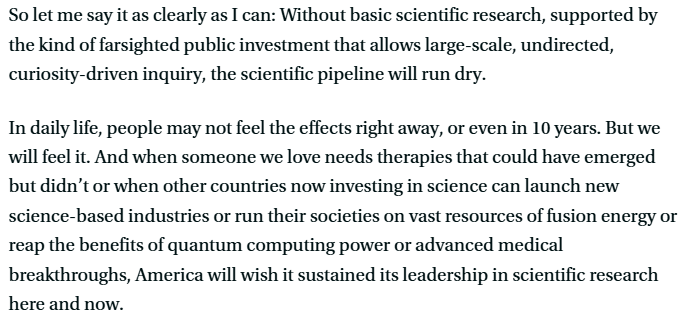
Now, I don’t really mind if the US falls behind in its scientific research. But while everyone is bombing and hating everyone else on the widely-publicised political stage, there are a lot of international scientific collaborations that quietly continue – often despite the politics of the countries concerned – and work to advance healthcare, technology and our understanding of the world around us, and – through those things – to advance humankind.

Those collaborations are also now falling apart because of the lack of funding. And that’s hurting everyone.

We’re already seeing the effects of the USAID cuts in Africa, and now we’re watching a brain drain from the USA because of the same policies.

And it’s equal parts of hilarious and terrifying to watch them repeatedly shoot themselves in the foot.

Business must be good

The economy is in a terrible state, so we’re told.

And actually, you only have to look around to see that that’s a pretty accurate synopsis. Unemployment is through the roof, costs are rising, inflation is up (and doesn’t seem to really match what’s happening on the ground), and we’re all feeling the squeeze. Multi-factorial stuff, but most of those factors can be narrowed down to a few knobhead politicians.

That’s for another post.

Sadly though, things still need doing. And we have a job that needs doing on our house, which is long overdue. It’s a project that will hopefully save us money in the long run, but it is going to cost a chunk of money up front. Like tens of thousands of Rands. And so, as any sensible person would, I contacted six different expert companies to get some comparative quotes.

Well, dear reader… Business must be better than we all thought.

Fair play, one contacted me back within a day, and we set some stuff up.

Less fair, but maybe ok kind of play, another one contacted me back after a few days, and (after a bit of misunderstanding), arranged to come out for a site inspection. But then didn’t turn up. Staff sickness apparently – when I called them. And because we all understand that these things happen, we rearranged another appointment and then they didn’t turn up again.

Red flag central, and an easy call for me.

I sent a Whatsapp saying that I wouldn’t be taking it any further, and I got a message back saying:

Great. No problem. Fully understand.

Wow. “Great”, really?
(And thanks for the apology for wasting my time.) (Twice.)

But even that was arguably better than the four who didn’t even bother to reply to my original message.

I really don’t get it. I’m literally wanting to give you business: to give you a lot of money for doing a job that you are apparently very good at. I’m doing the hard yards; I’m opening the dialogue and excusing you from doing the whole, time-consuming, costly, cold-calling marketing thing. Just give me a call.

But you couldn’t even be arsed to get in touch.

Business must be really good.

And so what do I do now? Because I’d selected those six companies based on the good reviews they had, and so now I must start selecting others that had less good or fewer good reviews. That’s already pushing me to seventh best and below before we’ve even taken into consideration that ? of them probably won’t even reply (data from a May 2026 study, n=6).

Because the thing is, much like voting for a political party in an election, selecting the least worst doesn’t necessarily make them any good. It just makes them less bad than the others. And in this case, the bar for that is so low that it’s a tripping hazard in hell.

So what choice do I have? The job still needs doing. And I still need to protect us from potentially being ripped off.

So here we go again, I guess.

Brilliant.

China Power Pics

Not a pro-China post. But also, yeah, a bit of a pro-China post.

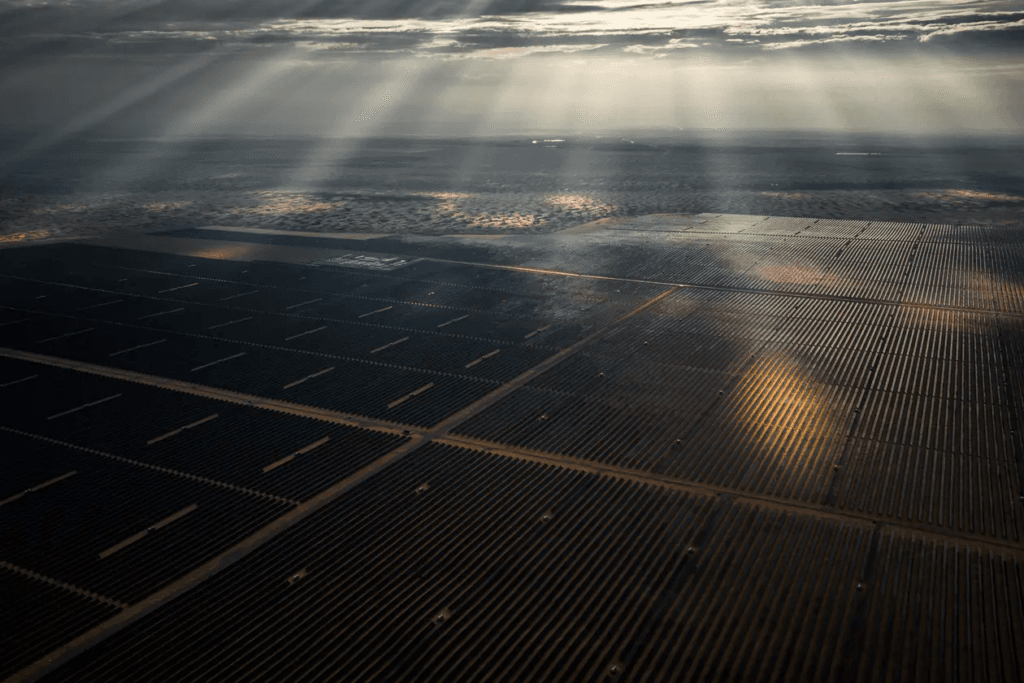
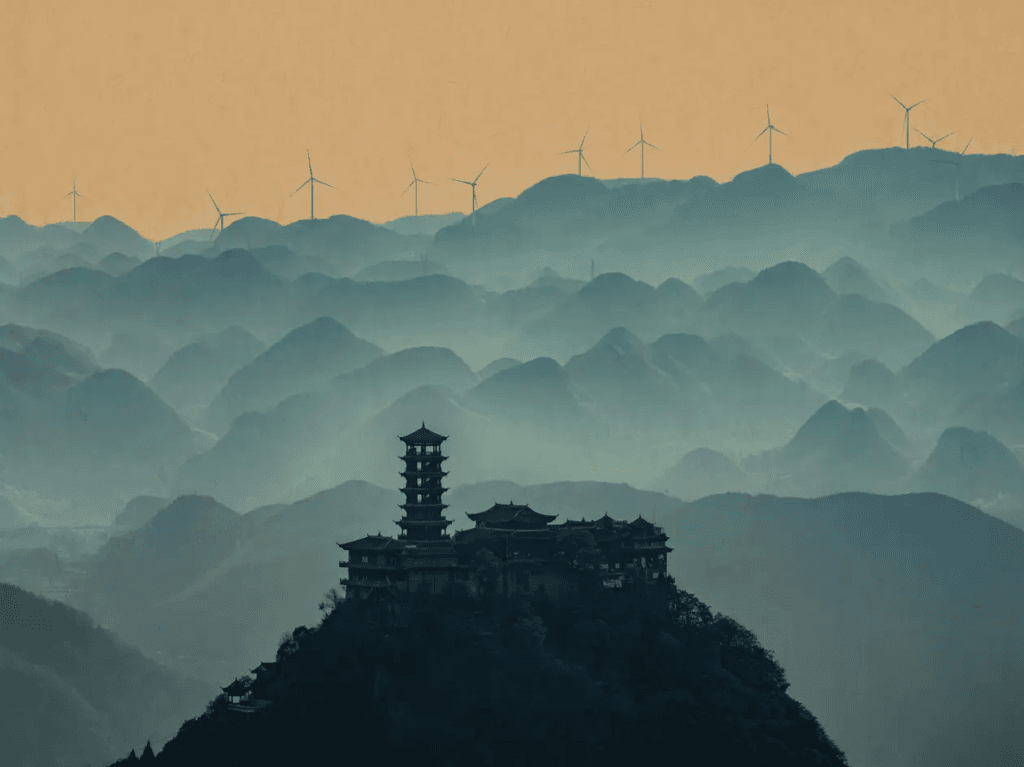
China might be one of the world’s most polluting countries, but it’s also investing really heavily in wind and solar power, and the stats are nuts:

  • Last year China installed more than half of all wind and solar added globally. In May alone, it added enough renewable energy to power Poland, installing solar panels at a rate of roughly 100 every second.
  • As of late 2025, China leads the world in renewable energy, with total installed capacity exceeding 2,200 GW, making up 59.1% of its total power generation capacity.

2,200GW of renewables is huge. In comparison, South Africa has a TOTAL theoretical power output of 48.5GW. And that’s when it’s all working, which it never is, so we have an actual total power output of about 32GW.

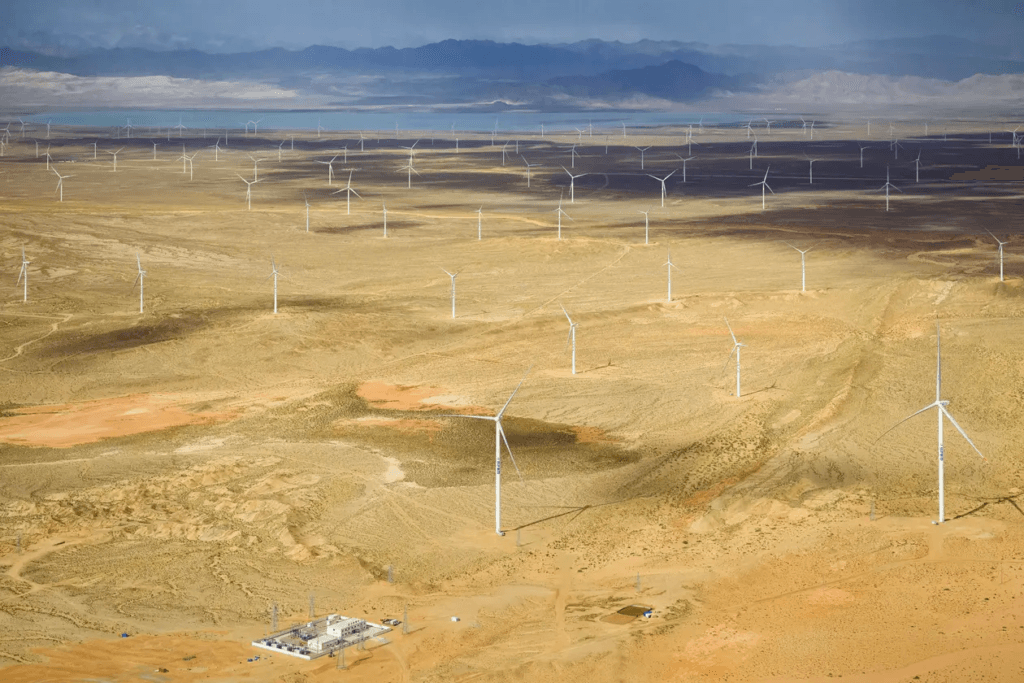
Drop in the ocean stuff. But then – because this is the reason for this post – just look at the infrastructure that’s going into China’s renewable energy drive.

“From the ground, it’s hard to grasp the scale of these power plants,” said Chinese photographer Weimin Chu. “But when you rise into the air, you can see the geometry, the rhythm — and their relationship with the mountains, the desert, the sea.”

Chu has spent three years capturing the shift underway using drones to photograph power plants from overhead. His work, which draws from the visual language of traditional Chinese ink paintings, was featured last year in an award-winning exhibition, presented by Greenpeace.

Look, this can only be a good thing for the rest of the world’s air quality and attempts to slow down climate change. It might be less good for the global geopolitical situation in the future, but then things are looking pretty ropey on that front right now anyway.

More photos on that link above, and more information about China’s journey into the renewable energy space, here.

Still pretty, still pricey

Cape Town doesn’t look its best today.

It looks like a scene from a disaster movie, with floods, broken trees, branches and damaged buildings everywhere.

We did get completely battered by yesterday’s storm.

But… give it a couple of weeks (ok, or maybe a month), and all that will be tidied up and forgotten about, and Cape Town will still be the most desirable city on the continent.

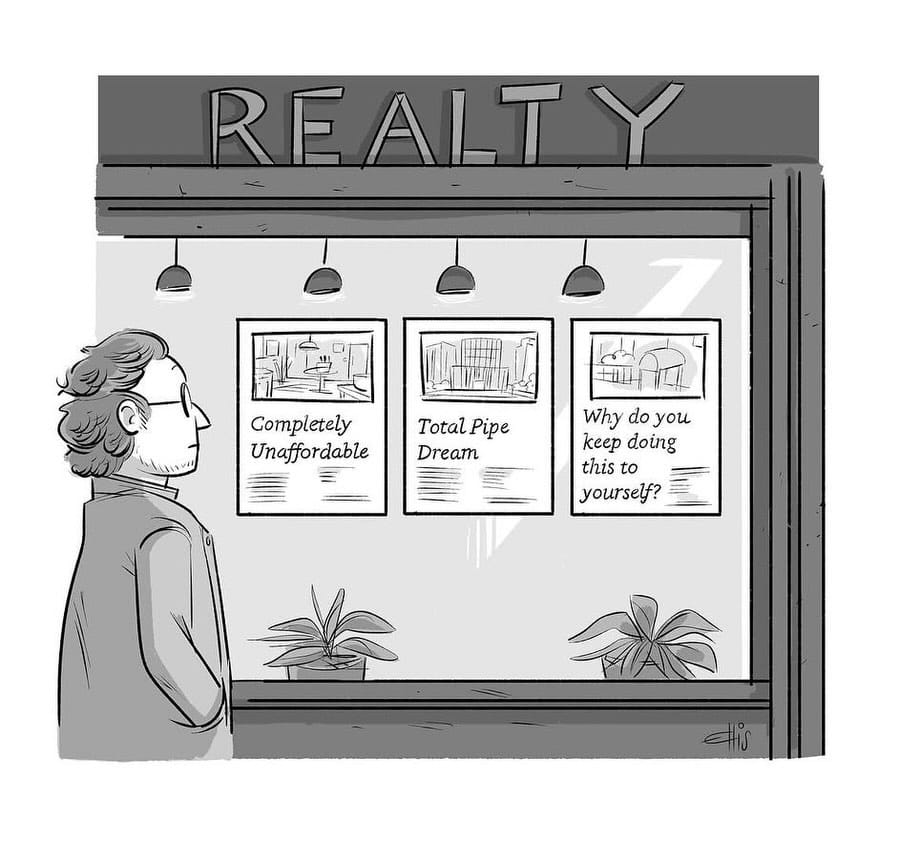
Which has its drawbacks:

But still, you’d rather be here than anywhere else.